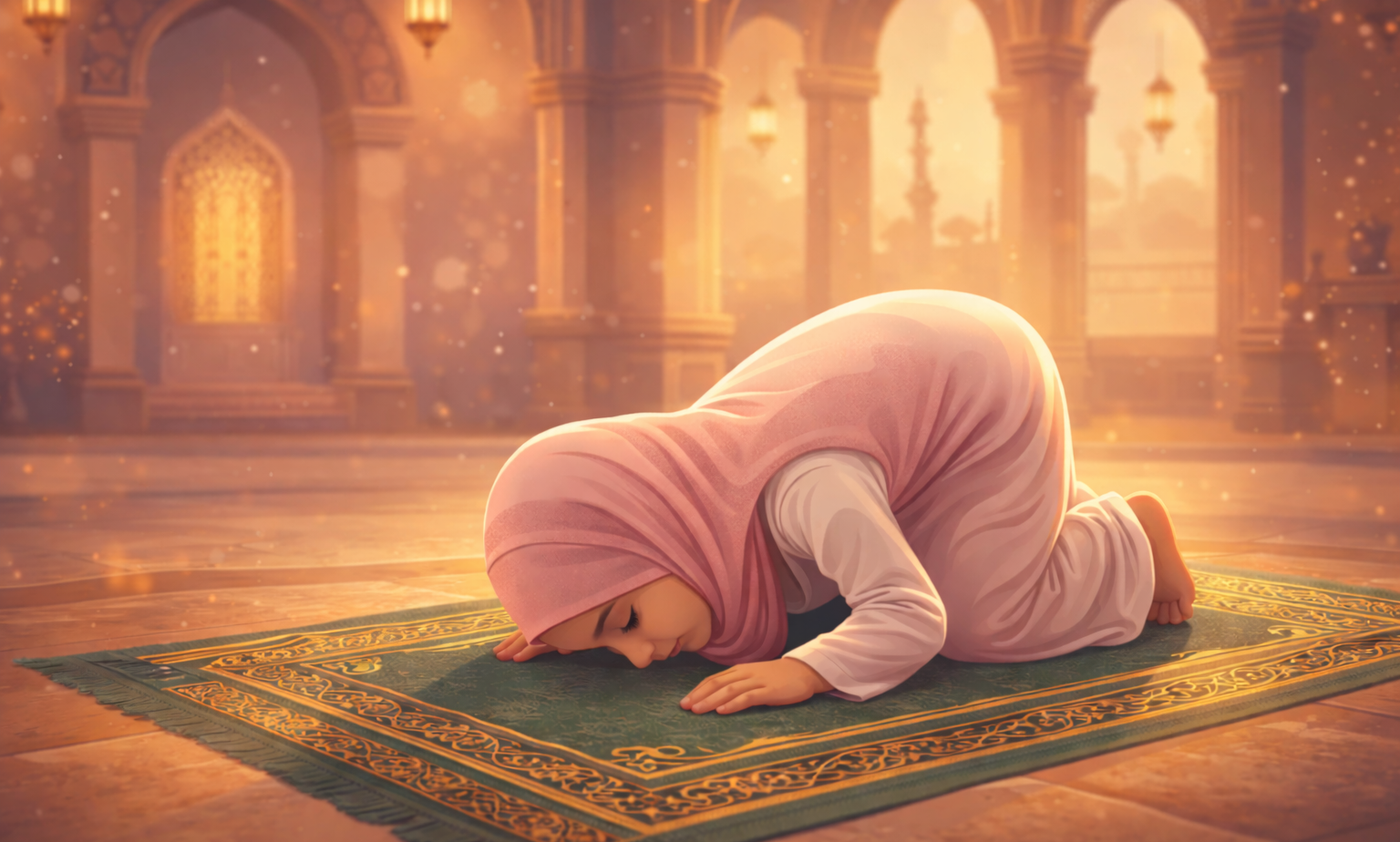
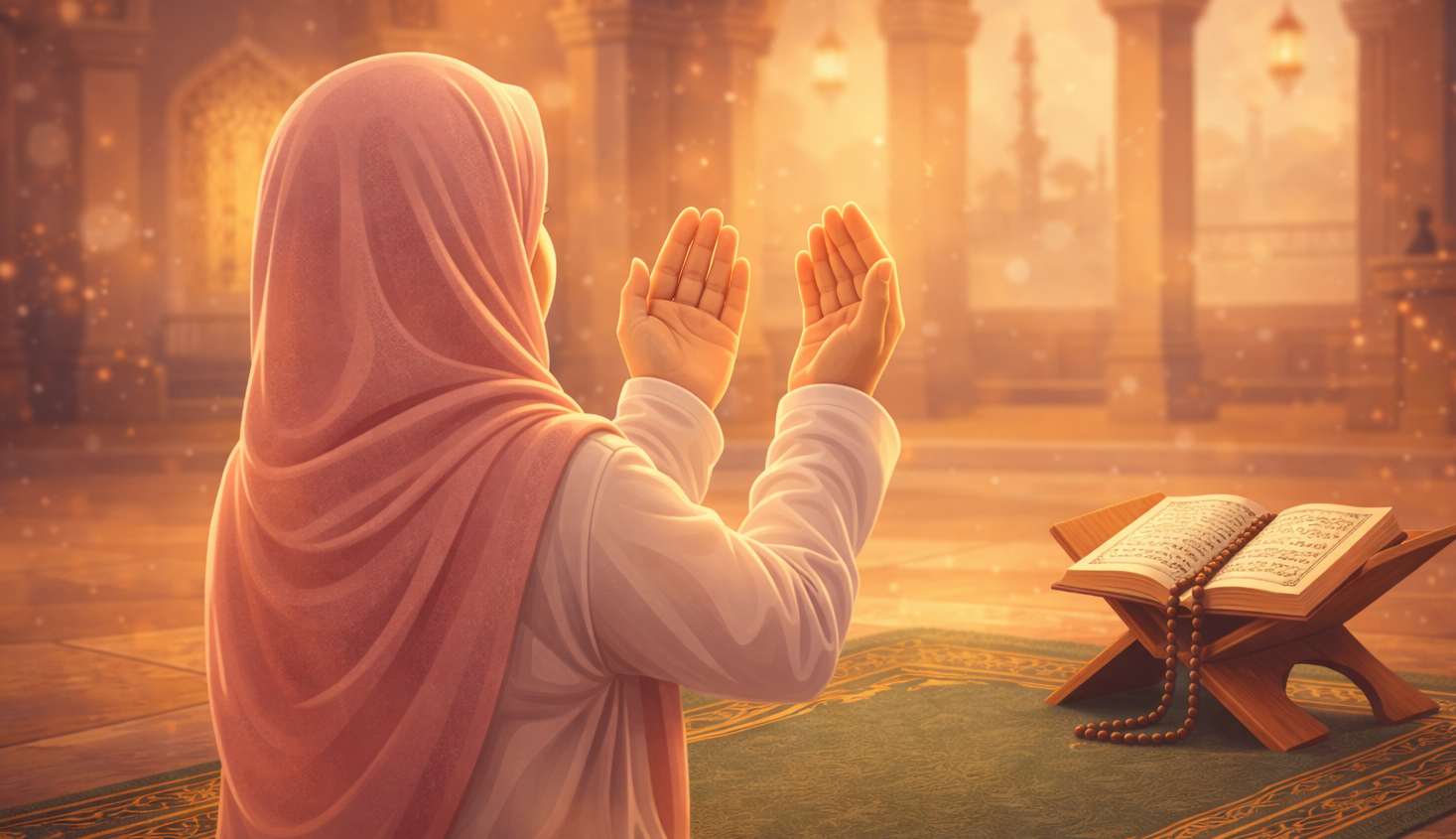
The Power of Dua
⭐ Introduction
Dua is one of the most beautiful acts of worship in Islam. It is a direct connection between a servant and his Creator. Unlike formal acts such as Salah or fasting, dua can be made anytime, anywhere, and in any language. It is a private conversation filled with hope, fear, gratitude, and love for Allah. Every believer, regardless of their level of faith, has experienced the comfort of raising their hands in dua during times of joy and hardship.
Dua is powerful because it reminds us that Allah is always listening. It strengthens faith and builds tawakkul — trust in Allah’s plan. It heals the heart from stress, loneliness, and sadness. It also brings blessings that a person cannot imagine. In Islam, dua is not just asking for needs; it is an expression of submission and humility before Allah.
What Is Dua in Islam?
Dua in Arabic literally means “calling” or “invocation.” It refers to asking Allah for help, forgiveness, guidance, and blessings. It is described in the Quran as the essence of worship. When a believer makes dua, they acknowledge that only Allah has control over all matters in the heavens and the earth.
Dua is a sign of strong faith. A person who does not make dua is considered arrogant, because they act as if they do not need Allah. In contrast, the one who constantly turns to Allah with dua is beloved to Him and is rewarded both in this world and the Hereafter.
Importance of Dua in the Quran and Sunnah
Dua in the Quran
Allah mentions dua repeatedly in the Quran. He promises to respond to sincere supplications:
“Call upon Me; I will respond to you.” (Surah Ghafir 40:60)
This verse shows that dua is not merely recommended; it is a command. Allah loves when His servants ask from Him because it is a sign of faith, humility, and dependence on Him alone.
Dua in the Hadith
The Prophet Muhammad ﷺ said:
“Dua is the essence of worship.”
He also said that dua can change destiny and that Allah becomes angry when His servant does not make dua. This shows how important dua is in Islam — it is not optional but essential.
Types of Dua in Islam
There are different types of dua:
Dua of Request
This is when a believer asks Allah for help, such as health, wealth, knowledge, forgiveness, or success. It acknowledges that Allah is the Provider.
Dua of Praise and Gratitude
This is when a Muslim praises and thanks Allah without specifically asking for anything. It strengthens love and appreciation for Allah’s blessings.
Dua of Repentance
This dua is made when a person seeks forgiveness from sins. It is powerful because Allah loves those who repent sincerely.
Why Dua Is a Powerful Tool for Every Muslim
Dua brings peace to the heart and clarity to the mind. When a believer makes dua, worries feel lighter because their burdens are handed to Allah. Dua increases hope and patience. It also strengthens reliance on Allah instead of relying on people.
Dua opens doors of mercy. Sometimes, even when our duas are delayed, Allah is protecting us from something harmful. And sometimes, He replaces what we asked for with something better.
Best Times to Make Dua
Allah loves dua at certain times more than others:
-
Last third of the night
-
Between Adhan and Iqamah
-
While fasting and at iftar
-
During rain
-
While traveling
-
On Fridays
-
In sujood
These moments are spiritually blessed and carry greater chances of acceptance.
Conditions for Acceptance of Dua
Sincerity
The dua must be made sincerely for Allah alone.
Halal earnings and lifestyle
The Prophet ﷺ taught that dua of a person who earns haram wealth may not be accepted.
Patience and trust in Allah
A person should not say, “I made dua but nothing happened.” Acceptance requires patience.
Common Mistakes Muslims Make in Dua
Many people only make dua in difficulty and forget Allah in good times. Some rush for results. Others ask for sinful or harmful things. Some complain if dua is delayed. True believers remain patient and thankful in every situation.
Dua Strengthens Mental and Emotional Health
Dua brings emotional comfort. It reduces anxiety and depression because it reminds us that we are not alone. It provides relief during grief and motivates during hardship. Doctors and psychologists even acknowledge the healing power of prayer in stress management.
Dua and Destiny (Qadr)
Dua has the power to change destiny. The Prophet ﷺ said nothing changes qadr except dua. Allah wrote everything, including which duas we make, and which blessings result from them.
Dua for Parents and Family
Islam emphasizes making dua for parents whether they are alive or deceased. Allah commands:
“My Lord, have mercy upon them as they raised me when I was small.” (Quran 17:24)
Dua strengthens family bonds and spreads mercy within the home.
Teaching Children the Beauty of Dua
Children should be taught dua at an early age so they grow up loving Allah. Parents should encourage them to thank Allah before sleeping, eating, or traveling. Teaching dua builds faith, humility, and gratitude.
Conclusion — Dua Is a Gift From Allah
Dua is not just words; it is a powerful act that strengthens faith, heals hearts, brings blessings, and draws a Muslim closer to Allah. It is the believer’s greatest weapon, a means of relief, and a path to paradise. Every Muslim should develop the habit of sincere dua daily, with patience and trust in Allah’s wisdom.