Importance of Salah in Islam and Its Impact on Daily Life
Salah is the second pillar of Islam and the most important act of worship after declaring faith. It is not only a ritual movement of the body but a deep spiritual connection between a believer and Allah. Through Salah, Muslims express gratitude, seek forgiveness, and find peace in their hearts. Salah shapes a Muslim’s identity, discipline, and character. In this article, we will explore the importance of Salah, its benefits, and how it transforms daily life.
🕋 What is Salah and Why Was It Made Obligatory?
Salah is the daily prayer performed five times a day at prescribed times. It was made obligatory during the Night Journey (Isra and Mi’raj) when Prophet Muhammad ﷺ ascended to the heavens. Unlike other acts of worship revealed on earth, Salah was commanded directly from Allah above the seven heavens, highlighting its significance.
Salah is a direct command of Allah, and abandoning it without reason is considered a major sin in Islam. Allah mentions Salah repeatedly in the Quran as a path to success in this world and the Hereafter.
🕛 Five Daily Prayers and Their Meaning in Life
Muslims pray Fajr, Dhuhr, Asr, Maghrib, and Isha. Each prayer has a meaning and purpose.
Fajr connects the believer with Allah at the beginning of the day. Dhuhr reminds Muslims to pause during busy routines and remember their purpose. Asr keeps one away from laziness and worldly distractions. Maghrib brings peace at sunset, while Isha calms the heart before sleep.
Through these prayers, a Muslim’s day naturally becomes disciplined, meaningful, and connected to faith.
🌙 Salah Strengthens the Bond with Allah
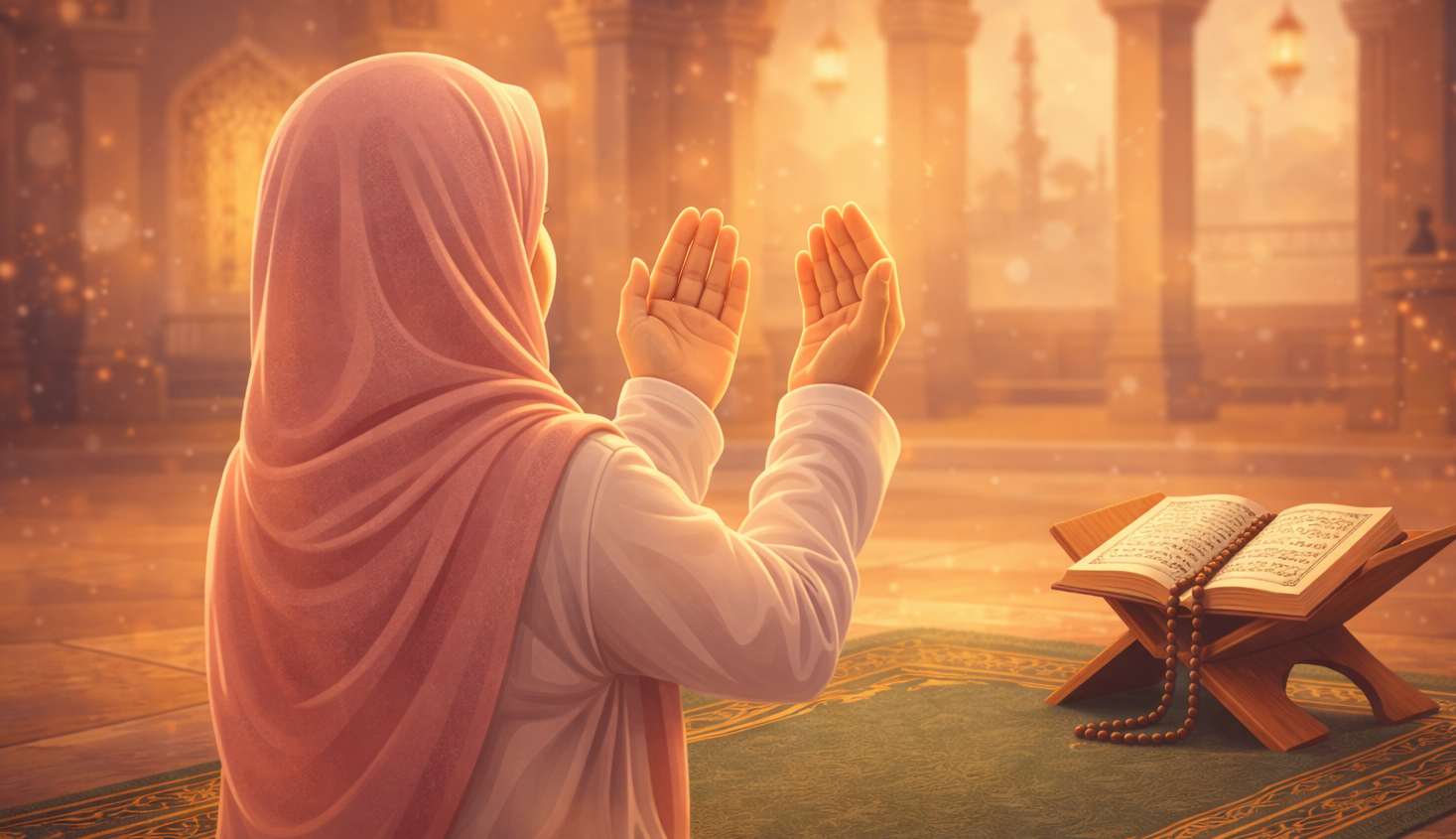
Salah is a conversation with Allah. When a Muslim stands in Salah, they are standing before their Creator. Reciting Surah Al-Fatiha, making sujood, and raising hands in dua strengthens the believer’s relationship with Allah.
It makes a person realize that they are never alone. No matter how many worries they face, Allah is always near and listening.
💗 Salah Purifies the Heart
The heart is the center of emotions, faith, and intention. Salah purifies the heart from jealousy, arrogance, hatred, and greed. Just as water cleans dirt from the body, Salah washes away sins and mistakes.
The Prophet ﷺ said that praying five times a day is like bathing in a river five times daily — no dirt remains afterward.
😌 Salah Brings Inner Peace and Reduces Stress
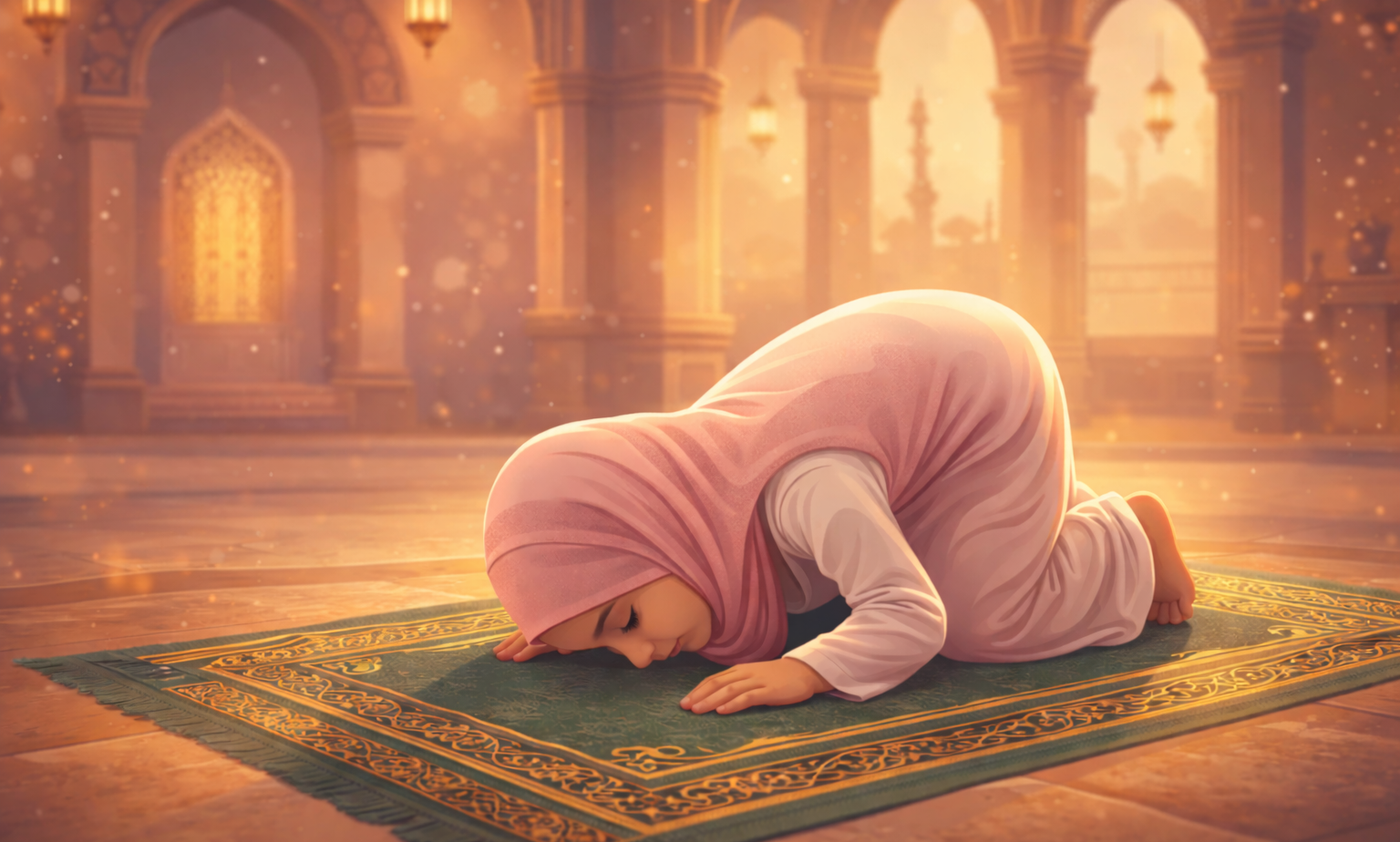
In the modern world, people are suffering from stress, anxiety, and depression. Salah serves as therapy for the soul. When a Muslim puts their forehead on the ground in sujood, they release emotional burdens and feel Allah’s closeness.
Scientists have even shown that the postures of Salah improve calmness, blood flow, and brain relaxation.
🧭 Salah Keeps a Muslim Away from Sins
Salah constantly reminds believers that Allah is watching. A person who prays regularly becomes conscious of their actions. They avoid lies, cheating, immorality, and injustice.
When someone misses Salah repeatedly, the heart slowly becomes distant from Allah, and sins feel easier to commit. Salah is therefore a shield that protects a believer from evil.
🕯️ Salah Teaches Discipline and Time Management
A Muslim’s life is organized around five prayers. Salah teaches punctuality because each prayer has a fixed time. Students, workers, and business owners who pray daily naturally become more disciplined and responsible.
This discipline reflects in other areas of life — studies, work ethics, and personal habits.
🤲 Salah Builds Gratitude and Patience
Through Salah, Muslims thank Allah for health, family, food, and countless blessings. It reminds them that everything they own is from Allah. Salah also teaches patience, especially during hardship.
Life is full of tests. Salah strengthens the heart to face these trials with hope instead of despair.
🧎♂️ Spiritual Beauty of Sujood (Prostration)
The closest moment a servant is to Allah is during sujood. In that position, pride disappears and humility enters the heart. Sujood represents submission and surrender.
When a believer lowers their head to the ground, they rise in dignity before Allah and creation.
🕋 Salah on Time and Its Reward
Praying on time carries great rewards. Delaying Salah without reason weakens its impact. The companions of the Prophet ﷺ considered praying on time as one of the greatest acts of obedience.
Even if life becomes busy, Salah must remain the top priority in the schedule.
🕌 Salah in the Masjid and the Power of Community
Men are encouraged to pray in the mosque whenever possible because it brings unity among Muslims. Standing shoulder to shoulder erases social class, race, and status differences. Rich, poor, old, and young all stand as equals before Allah.
👨👩👧 Salah in Family Life
When parents pray, children naturally learn Salah by observing them. A home filled with Salah becomes full of mercy and blessings. Family members forgive each other more easily and avoid arguments.
Teaching children Salah from a young age builds strong Islamic identity.
🌍 Salah Reminds Us of Our Purpose in Life
Many people wander through life asking, “Why am I here?” Salah answers this question. It reminds Muslims that life is temporary and the real destination is the Hereafter.
Salah keeps the believer focused on pleasing Allah rather than chasing meaningless worldly desires.
🧠 Salah Sharpens Focus and Improves Concentration
During Salah, one trains the mind to avoid distractions. This improves daily concentration in study, work, and conversations. People who pray regularly gain mental discipline and self-control.
🕊️ Salah as a Shield During Difficult Times
Whenever the Prophet ﷺ faced difficulty, he would immediately pray. Salah brings strength when someone feels weak. It helps Muslims cope with loss, sadness, or failure.
Allah promises ease after hardship, and Salah helps the believer feel that promise.
⚖️ Salah and Accountability in the Hereafter
The first thing a person will be questioned about on the Day of Judgment is Salah. If it is correct, all other deeds will be correct, and if it is neglected, the person will be at loss.
This shows how central Salah is to a Muslim’s faith.
🚶♂️ What Happens When Salah Is Abandoned?
Neglecting Salah hardens the heart and distances one from Allah. Life loses spiritual meaning, and sins feel easier. However, Allah’s mercy is always open. A person who returns to Salah is always welcomed, no matter how long they were away.
🌟 How to Develop Consistency in Salah
To build consistency, one should:
-
set alarms
-
make wudu regularly
-
stay in company of practicing Muslims
-
reflect on Quranic verses
-
make dua for steadfastness
Small steps lead to big changes.
🧭 Salah Shapes Identity and Character
Salah builds honesty, humility, kindness, and discipline. A praying Muslim strives to improve behavior because they feel accountable to Allah. Salah is therefore not just worship — it is character training.
Conclusion
Salah is the soul of a Muslim’s life. It connects the heart to Allah, purifies the soul, and guides daily actions. It brings peace, discipline, and strength. Salah protects from sins and reminds humans of their true purpose. Every believer should strive to pray regularly and feel the sweetness of this beautiful act of worship. Through Salah, life gains meaning, direction, and serenity.